WiFi for large hotels: coverage in every room, control from a single platform
We have designed and installed WiFi networks in multiple hotels with a large number of rooms. This is the model we apply: separate networks, verified coverage in every space, high density for events and centralized management.
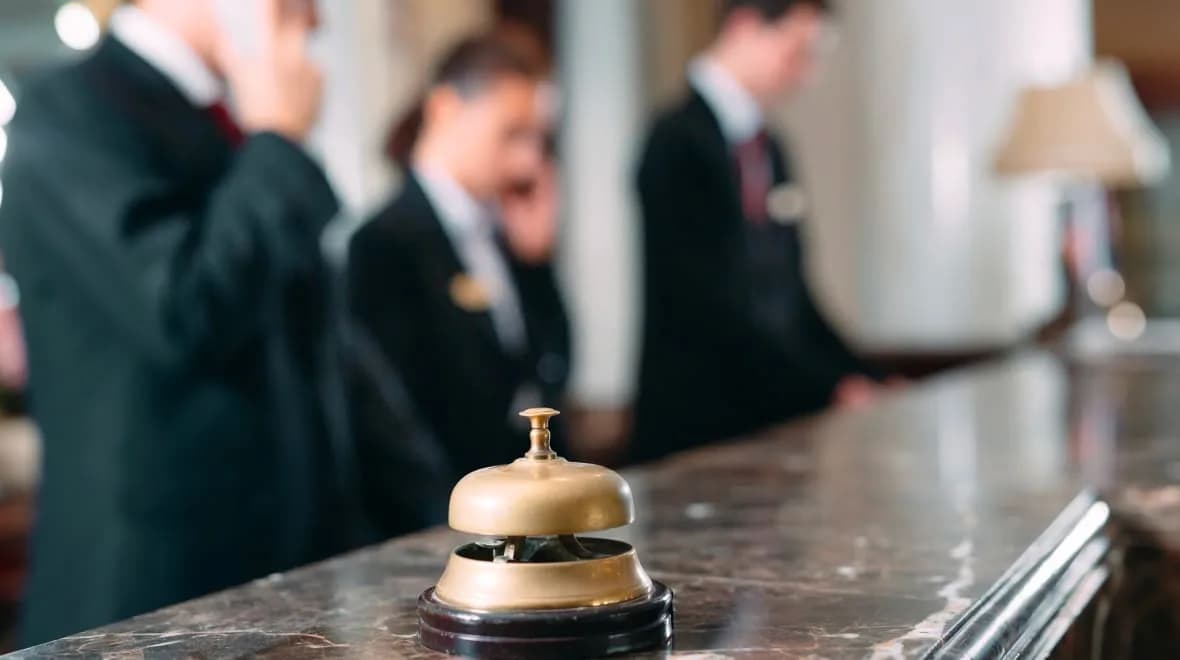
In a hotel, WiFi is no longer an extra: it is part of the room. And an event hall without a good connection is a harder hall to sell.
At Aiscnet we have designed and installed WiFi networks in multiple hotels with a large number of rooms, event halls and common areas. Every hotel is different, but the model we apply is the same. This case summarizes it.
The challenge: many networks in one building
Guests
Personal devices that arrive and leave every day, and expect to connect without asking for help.
Operations
Front desk, reservations, points of sale and administration cannot share a network with the public.
Events
Halls where many people connect at the same time and in the same place.
The building
Thick walls, long hallways, bathrooms and shafts that block the signal.
What we deliver
Separate networks
Administration, guests and open areas, each on its own network.
Coverage in every room
Optimal signal inside the room and in every space of the hotel.
High density for events
Halls designed for how many people connect at once.
Validated access
Every user is authenticated before browsing, with the hotel's branding.
Controlled bandwidth
Per user and per area, so no one degrades the experience for everyone else.
Equipment redundancy
The failure of one device does not leave the hotel without a network.
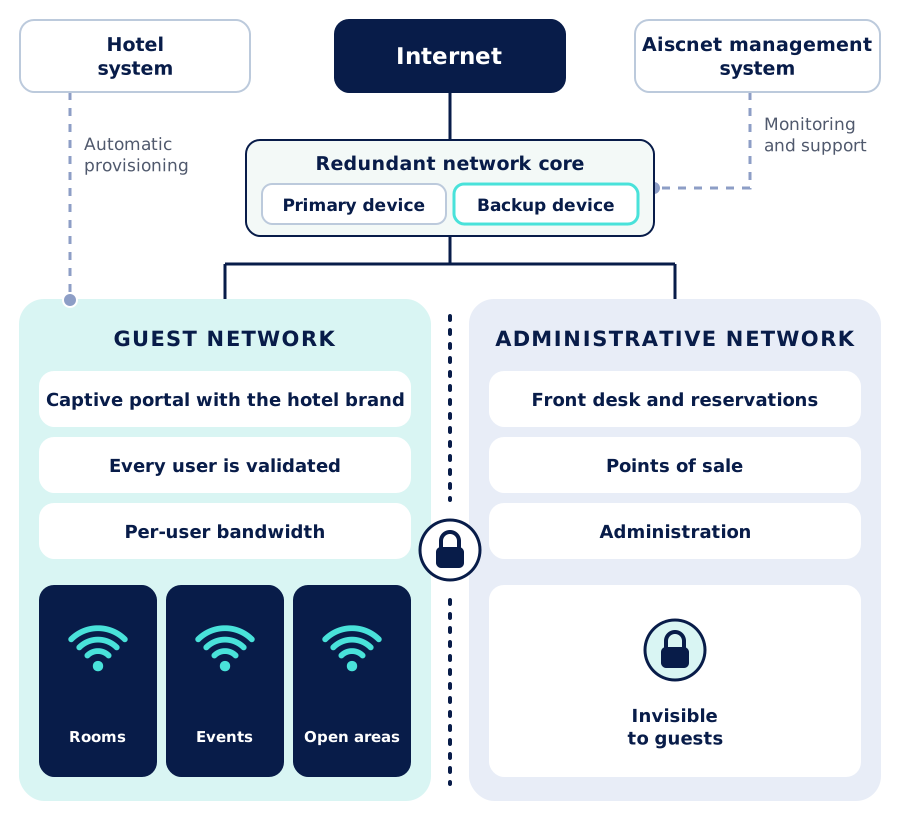
Separate networks on one infrastructure
The administrative network and the guest network travel separately end to end, with rules that prevent traffic from crossing between them. A guest never has visibility of the hotel systems.
Open areas such as the lobby, restaurants and terraces also run as separate networks with their own bandwidth control, so usage in those spaces does not affect the rooms or the operation.
Redundancy
The equipment the whole network depends on is installed in a redundant configuration: if one fails, another takes over.
User authentication and validation
No one browses without being validated, and every user gets the bandwidth assigned to them. How users are validated is defined with each hotel, according to its operation:
Integration with the hotel system
Automatic provisioning: access is activated when the guest arrives and closed when they leave.
Pre-printed vouchers
Codes ready to hand out at the front desk, events or restaurants, without depending on a system.
Custom captive portal
The access screen carries each hotel's branding.
RADIUS, when required
Centralized authentication as an option for the hotels that need it.
When the network is integrated with the hotel system, the guest journey looks like this:
Arrival
The hotel registers the guest
Auto provisioning
Network access is created
Connection
Through the hotel portal
Browsing
With the assigned bandwidth
Departure
Access closes by itself
This way no access remains open for guests who have already left.
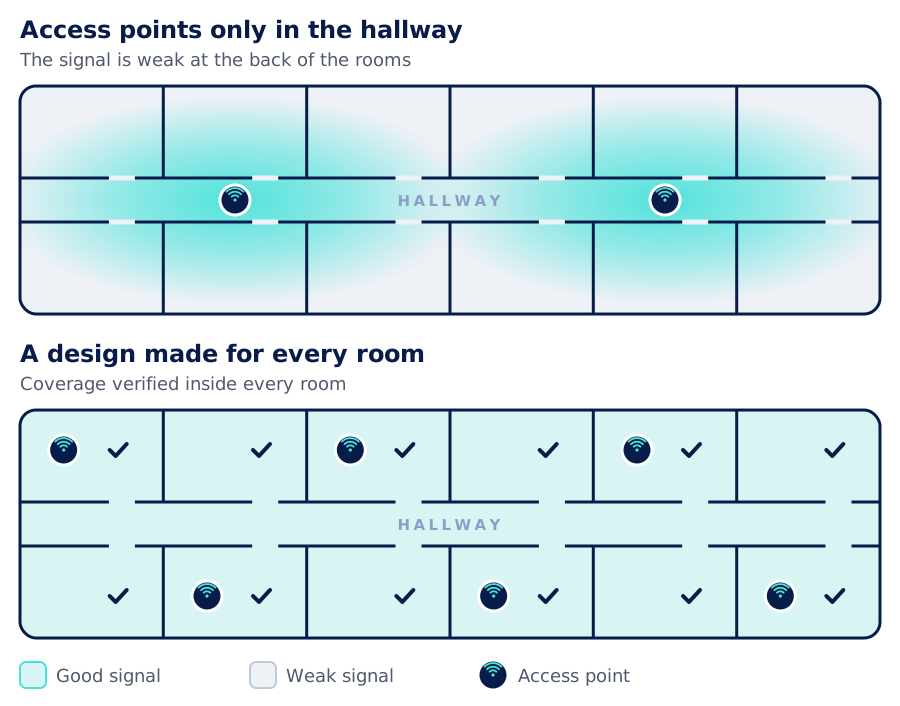
Coverage designed from the room
A network can show a good signal in the hallway and fail exactly where the guest uses it. That is why we design and verify coverage inside every room and in every space of the hotel.
High density in event areas
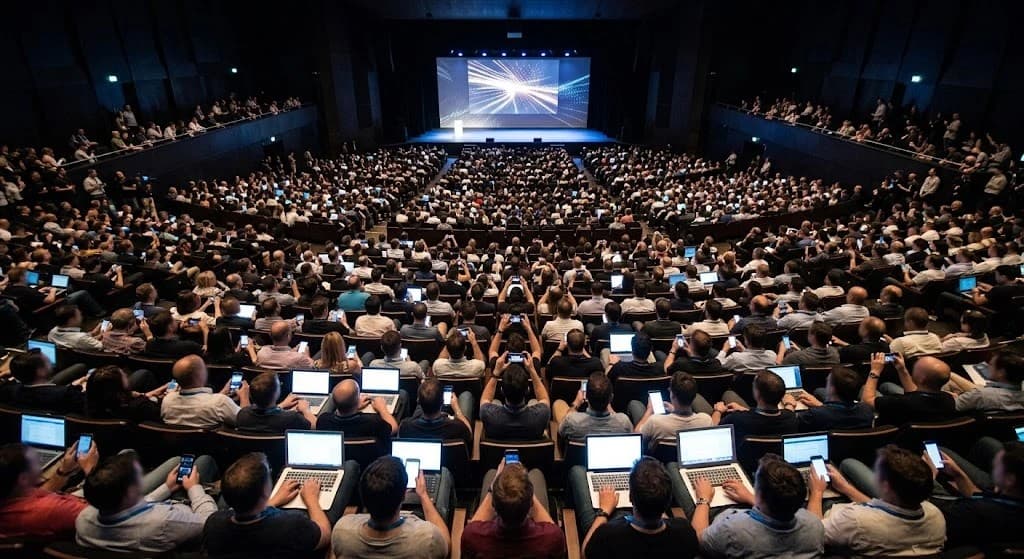
In halls and event centers the challenge is not coverage but capacity. We use more access points at lower power and careful channel planning, so the network keeps its planned performance with a full hall.
Not tied to a brand
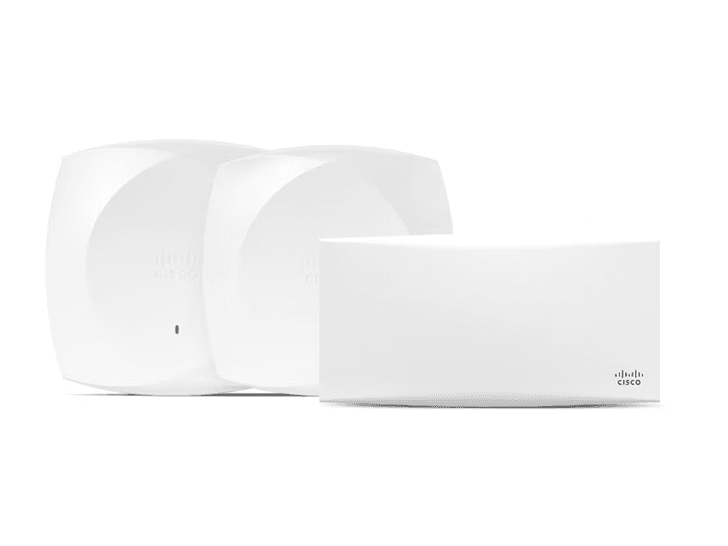
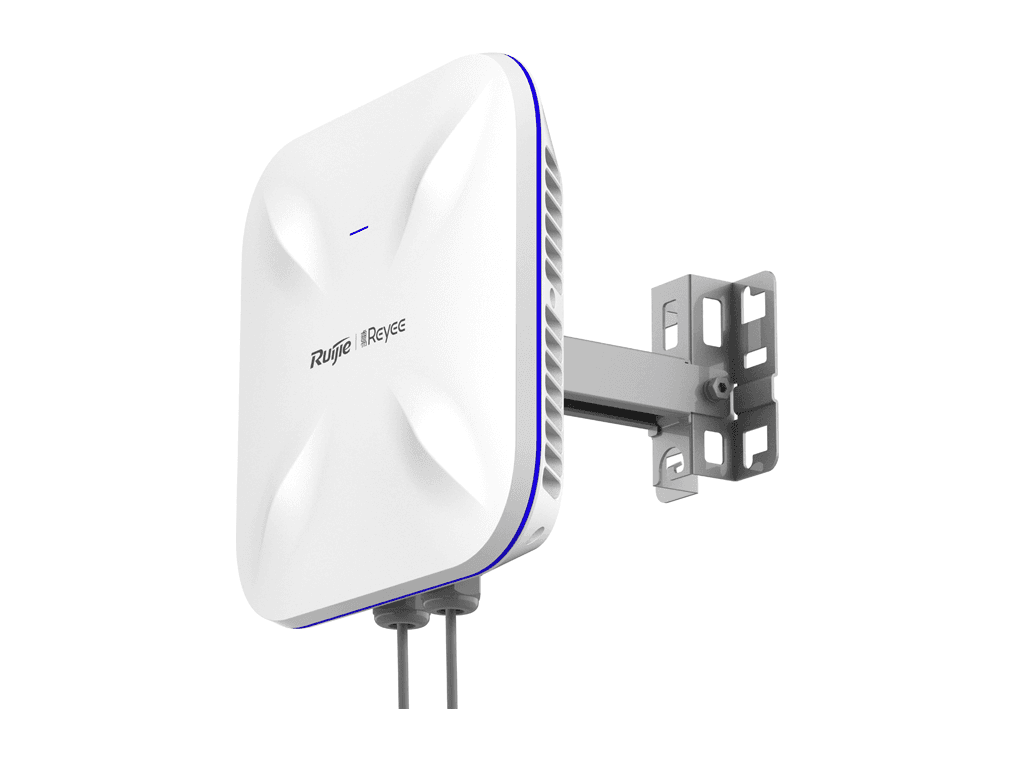
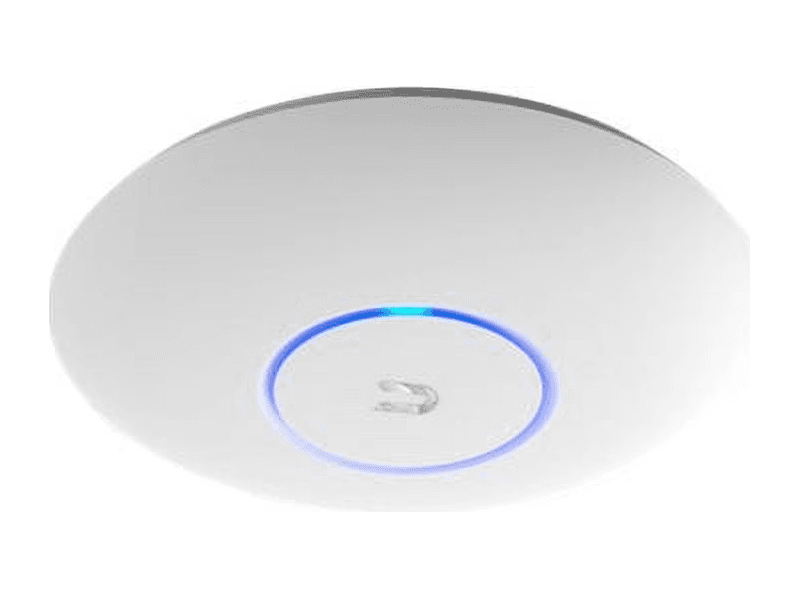
We are vendor agnostic. We work with Cisco and Cisco Meraki, Ruijie Reyee and Ubiquiti UniFi solutions, among other leading brands in the market, and choose the equipment according to the building, the operation and the budget of each hotel, integrating it with what is already installed when it makes sense.
Our analysis process for a WiFi project
The difference between a network that works and one that generates complaints is usually defined before the first device is installed.
- 1
Assessment
Floor plans, construction materials, number of rooms, hall capacity and the systems the hotel already has.
- 2
Coverage and capacity design
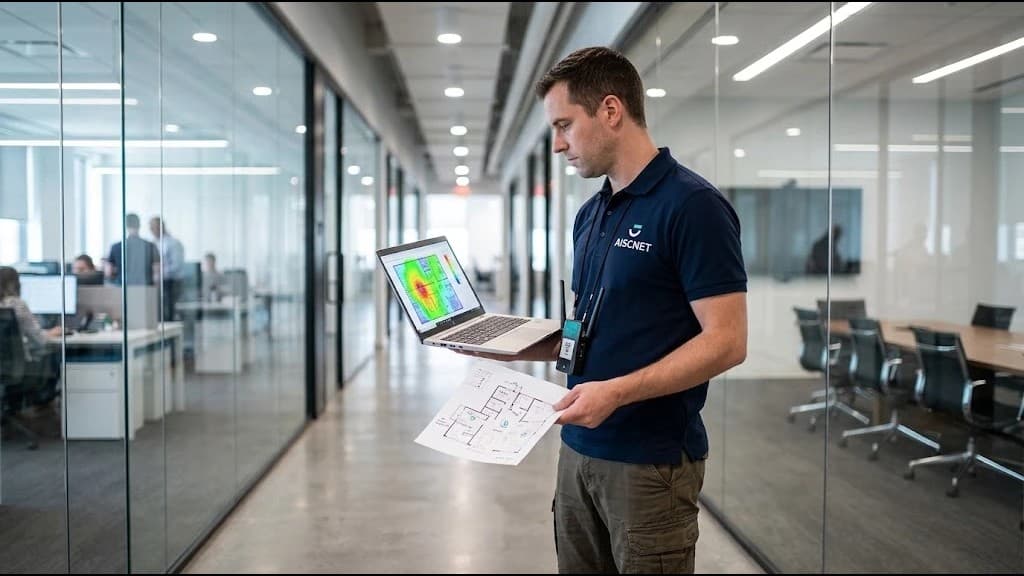
We model the network on the floor plans to define how many access points are needed and where.
- 3
On-site validation
We measure in the actual building to confirm or correct the design.
- 4
Phased implementation
By floor or area, coordinated with operations, so staying guests are not affected.
- 5
Verification
We check coverage in every room and every space before handover.
- 6
Operation and support
The installation is integrated into our management system.
Centralized management and support

Every installation on a single platform
Each installation is integrated with our management system. From there we control the status of each network and each device and provide support, without waiting for a guest to complain to find out about a failure. For a group with several hotels, it means a single view of all its properties and the same standard in each one.
What it means for each area
General management
Connected guests, halls offered with confidence and a network that does not depend on one person.
IT management
Segmented networks, validated users, controlled bandwidth and visibility of the whole installation.
Front desk
Automatic provisioning or vouchers ready to hand out, without managing access manually.
- WiFi
- Hotelería
- Alta densidad
- Portal cautivo
- Vouchers
- Cisco
- Cisco Meraki
- Ruijie Reyee
- Ubiquiti UniFi